Most Reigns
- Ric Flair (8)
- Sting (6)
- Hulk Hogan (6)
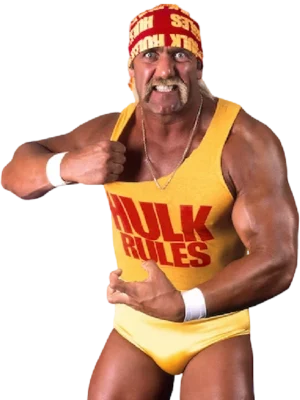
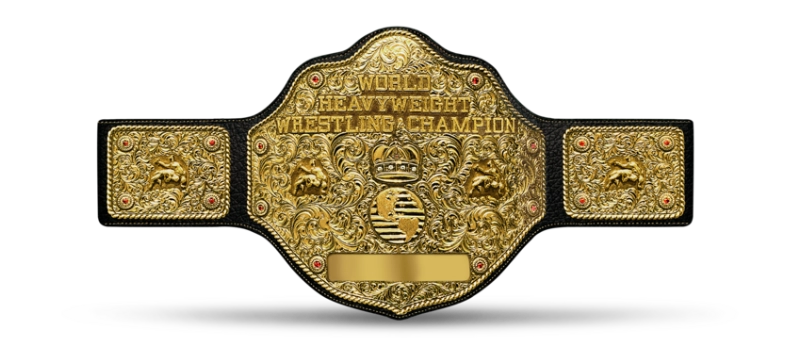
469 days as the WCW World Heavyweight Champion
Won at Bash at the Beach 1994 against Ric Flair on July 17, 1994 and held title until October 29, 1995.
| # Click to sort | Wrestler Click to sort | Date Won Click to sort | Opponent(s) Click to sort | Event Click to sort | Match Type Click to sort | Days Held Click to sort | |
|---|---|---|---|---|---|---|---|
| 56 | Booker T | Mar 26, 2001 | Scott Steiner | Nitro | Winner Takes All Match | 120 | |
| 55 | Scott Steiner | Nov 26, 2000 | Booker T | Mayhem 2000 | Straitjacket Steel Cage Match | 120 | |
| 54 | Booker T | Oct 2, 2000 | Jeff Jarrett | Nitro | San Francisco 49ers Match | 55 | |
| — | Title Vacated on October 2, 2000 | ||||||
| 53 | Vince Russo | Sep 25, 2000 | Booker T | Nitro | Steel Cage Match | 7 | |
| 52 | Booker T | Sep 17, 2000 | Kevin Nash | Fall Brawl 2000 | Caged Heat Match | 8 | |
| 51 | Kevin Nash | Aug 28, 2000 | Booker T | Nitro | Singles Match | 20 | |
| 50 | Booker T | Jul 9, 2000 | Jeff Jarrett | Bash at the Beach 2000 | Singles Match | 50 | |
| 49 | Jeff Jarrett | May 29, 2000 | Ric Flair | Nitro | Singles Match | 41 | |
| 48 | Ric Flair | May 29, 2000 | Nitro | <1 | |||
| 47 | Kevin Nash | May 24, 2000 | Jeff Jarrett & Scott Steiner | Thunder | Triangle Match | 5 | |
| 46 | Jeff Jarrett | May 22, 2000 | Nitro | 2 | |||
| — | Title Vacated on May 22, 2000 | ||||||
| 45 | Ric Flair | May 15, 2000 | Jeff Jarrett | Nitro | Singles Match | 7 | |
| 44 | Jeff Jarrett | May 7, 2000 | David Arquette & Diamond Dallas Page | Slamboree 2000 | Triple Cage Match | 8 | |
| 43 | David Arquette | Apr 26, 2000 | Eric Bischoff & Jeff Jarrett | Thunder | Tag Team Match | Diamond Dallas Page | 11 |
| 42 | Diamond Dallas Page | Apr 24, 2000 | Jeff Jarrett | Nitro | Steel Cage Match | 2 | |
| 41 | Jeff Jarrett | Apr 16, 2000 | Diamond Dallas Page | Spring Stampede 2000 | Tournament Final Match | 8 | |
| — | Title Vacated from April 10, 2000 to April 16, 2000 (6 days) | ||||||
| 40 | Sid Vicious | Jan 26, 2000 | Kevin Nash & Ron Harris | Thunder | Triangle Steel Cage Match | 75 | |
| – | Kevin Nash | Jan 26, 2000 | Thunder | <1 | |||
| — | Title Vacated on January 26, 2000 | ||||||
| 39 | Sid Vicious | Jan 24, 2000 | Kevin Nash | Nitro | Vacant Title Match | 2 | |
| — | Title Vacated from January 17, 2000 to January 24, 2000 (7 days) | ||||||
| 38 | Chris Benoit | Jan 16, 2000 | Sid Vicious | Souled Out 2000 | Vacant Title Match | 1 | |
| — | Title Vacated on January 16, 2000 | ||||||
| 37 | Bret Hart | Dec 20, 1999 | Goldberg | Nitro | Vacant Title Match | 27 | |
| — | Title Vacated on December 20, 1999 | ||||||
| 36 | Bret Hart | Nov 21, 1999 | Chris Benoit | Mayhem 1999 | Tournament Final Match | 29 | |
| — | Title Vacated from October 25, 1999 to November 21, 1999 (27 days) | ||||||
| 35 | Sting | Sep 12, 1999 | Hollywood Hogan | Fall Brawl 1999 | Singles Match | 43 | |
| 34 | Hollywood Hogan | Jul 12, 1999 | Randy Savage | Nitro | Singles Match | 62 | |
| 33 | Randy Savage | Jul 11, 1999 | Kevin Nash & Sting | Bash at the Beach 1999 | Tag Team Match | Sid Vicious | 1 |
| 32 | Kevin Nash | May 9, 1999 | Diamond Dallas Page | Slamboree 1999 | Singles Match | 63 | |
| 31 | Diamond Dallas Page | Apr 26, 1999 | Sting, Goldberg, and Kevin Nash | Nitro | Four Corners Match | 13 | |
| 30 | Sting | Apr 26, 1999 | Diamond Dallas Page | Nitro | Singles Match | <1 | |
| 29 | Diamond Dallas Page | Apr 11, 1999 | Hollywood Hulk Hogan, Ric Flair, and Sting | Spring Stampede 1999 | Four Corners Match | 15 | |
| 28 | Ric Flair | Mar 14, 1999 | Hollywood Hogan | Uncensored 1999 | First Blood Barbed Wire Steel Cage Match | 28 | |
| 27 | Hollywood Hogan | Jan 4, 1999 | Kevin Nash | Nitro | Singles Match | 69 | |
| 26 | Kevin Nash | Dec 27, 1998 | Goldberg | Starrcade 1998 | No Disqualification Match | 8 | |
| 25 | Goldberg | Jul 6, 1998 | Hollywood Hogan | Nitro | Singles Match | 174 | |
| 24 | Hollywood Hogan | Apr 20, 1998 | Randy Savage | Nitro | No Disqualification Match | 77 | |
| 23 | Randy Savage | Apr 19, 1998 | Sting | Spring Stampede 1998 | No Disqualification Match | 1 | |
| 22 | Sting | Feb 22, 1998 | Hollywood Hogan | SuperBrawl VIII | Vacant Title Match | 56 | |
| — | Title Vacated from January 8, 1998 to February 22, 1998 (45 days) | ||||||
| 21 | Sting | Dec 28, 1997 | Hollywood Hogan | Starrcade 1997 | Singles Match | 11 | |
| 20 | Hollywood Hogan | Aug 9, 1997 | Lex Luger | Road Wild 1997 | Singles Match | 141 | |
| 19 | Lex Luger | Aug 4, 1997 | Hollywood Hulk Hogan | Nitro | Singles Match | 5 | |
| 18 | Hollywood Hulk Hogan | Aug 10, 1996 | The Giant | Hog Wild 1996 | Singles Match | 359 | |
| 17 | The Giant | Apr 22, 1996 | Ric Flair | Nitro | Singles Match | 110 | |
| 16 | Ric Flair | Feb 11, 1996 | Randy Savage | SuperBrawl VI | Steel Cage Match | 71 | |
| 15 | Randy Savage | Jan 22, 1996 | Ric Flair | Nitro | Singles Match | 20 | |
| 14 | Ric Flair | Dec 27, 1995 | Randy Savage | Starrcade 1995: World Cup of Wrestling | Singles Match | 26 | |
| 13 | Randy Savage | Nov 26, 1995 | One Man Gang | World War 3 | World War 3 Match | 31 | |
| — | Title Vacated from November 6, 1995 to November 26, 1995 (20 days) | ||||||
| 12 | The Giant | Oct 29, 1995 | Hulk Hogan | Halloween Havoc 1995 | Singles Match | 8 | |
| 11 | Hulk Hogan | Jul 17, 1994 | Ric Flair | Bash at the Beach 1994 | Singles Match | 469 | |
| 10 | Ric Flair | Apr 21, 1994 | Ricky Steamboat | Saturday Night 1994 | Vacant Title Match | 87 | |
| — | Title Vacated from April 17, 1994 to April 21, 1994 (4 days) | ||||||
| 9 | Ric Flair | Dec 27, 1993 | Big Van Vader | Starrcade: 10th Anniversary | Career on the Line Match | 111 | |
| 8 | Big Van Vader | Mar 17, 1993 | Sting | House show | Singles Match | 285 | |
| 7 | Sting | Mar 11, 1993 | Big Van Vader | House show | Singles Match | 6 | |
| 6 | Big Van Vader | Dec 30, 1992 | Ron Simmons | House show | Singles Match | 71 | |
| 5 | Ron Simmons | Aug 2, 1992 | Big Van Vader | Main Event | Singles Match | 150 | |
| 4 | Big Van Vader | Jul 12, 1992 | Sting | The Great American Bash 1992 | Singles Match | 21 | |
| 3 | Sting | Feb 29, 1992 | Lex Luger | SuperBrawl II | Singles Match | 134 | |
| 2 | Lex Luger | Jul 14, 1991 | Barry Windham | The Great American Bash 1991 | Steel Cage Match | 230 | |
| — | Title Vacated from July 1, 1991 to July 14, 1991 (13 days) | ||||||
| 1 | Ric Flair | Jan 11, 1991 | Sting | House show | Singles Match | 171 | |
| # | Champion | Reigns | Total Days Held | Longest Reign (Days) | Avg. Reign (Days) | % of Career Title Held |
|---|---|---|---|---|---|---|
| 1 | 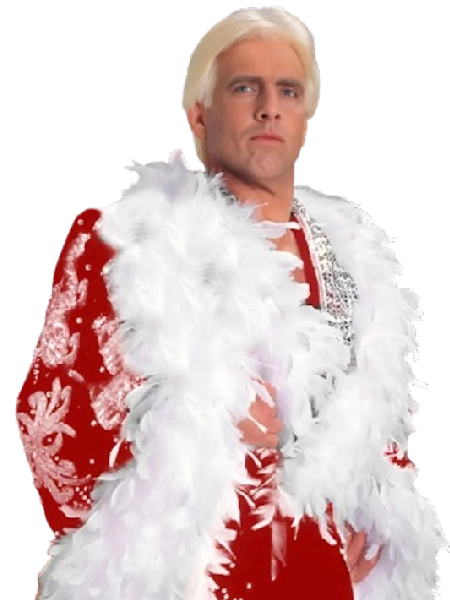 Ric Flair | 8 | 501 | 171 | 63 | 3.7% |
| 2 | 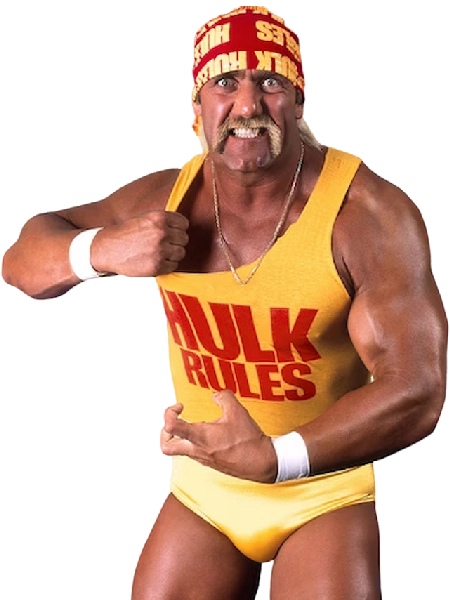 Hulk Hogan | 6 | 1,177 | 469 | 196 | 9% |
| 2 | 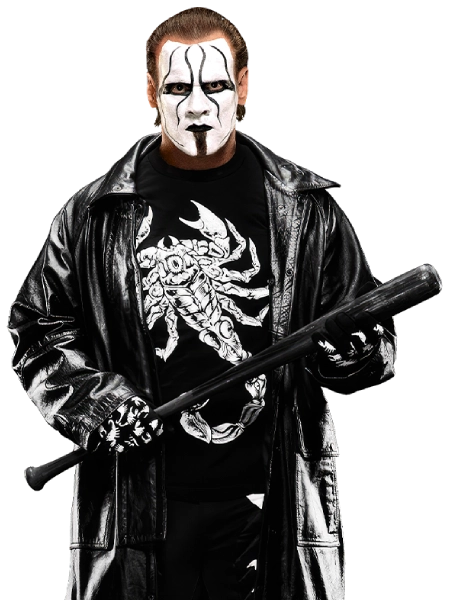 Sting | 6 | 250 | 134 | 42 | 1.7% |
| 4 | 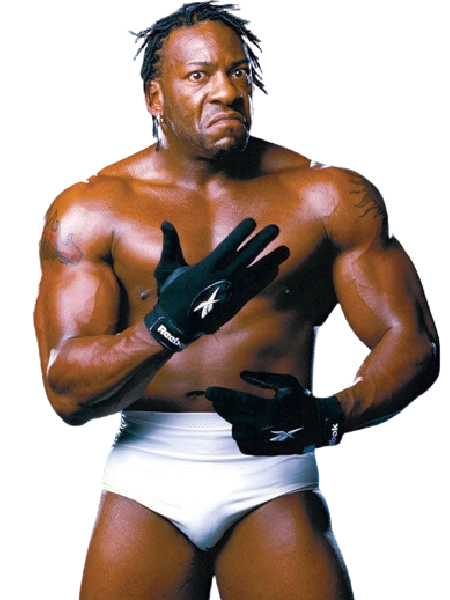 Booker T | 4 | 233 | 120 | 58 | 1.9% |
| 4 | 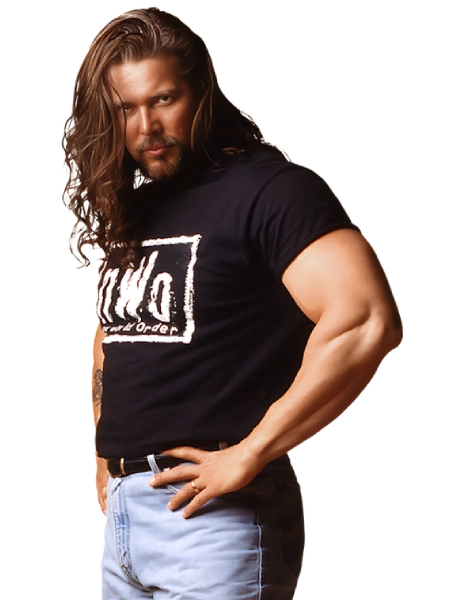 Kevin Nash | 4 | 96 | 63 | 24 | 0.85% |
| 4 | 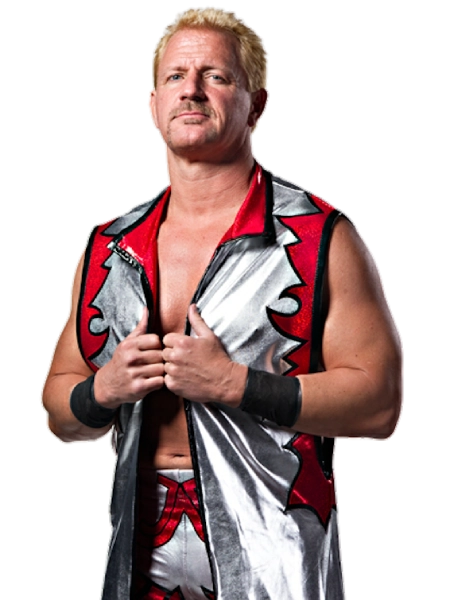 Jeff Jarrett | 4 | 59 | 41 | 15 | 0.4% |
| 4 | 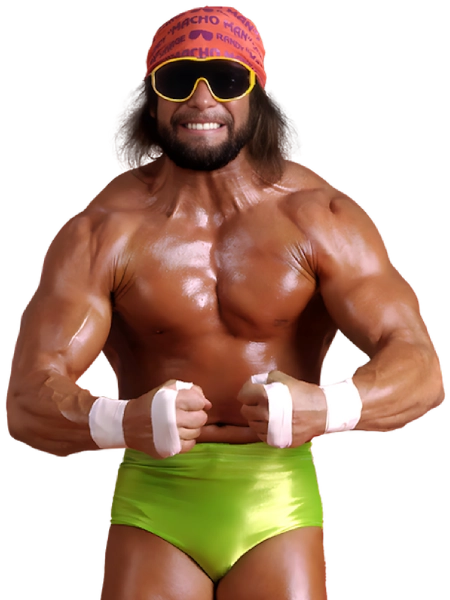 Randy Savage | 4 | 53 | 31 | 13 | 0.45% |
| 8 | 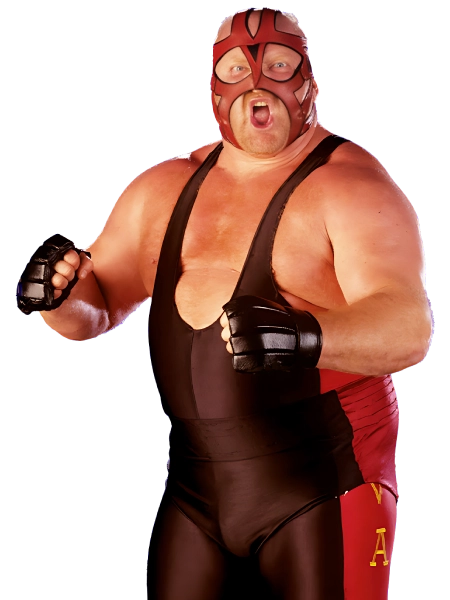 Big Van Vader | 3 | 377 | 285 | 126 | 2.5% |
| 8 | 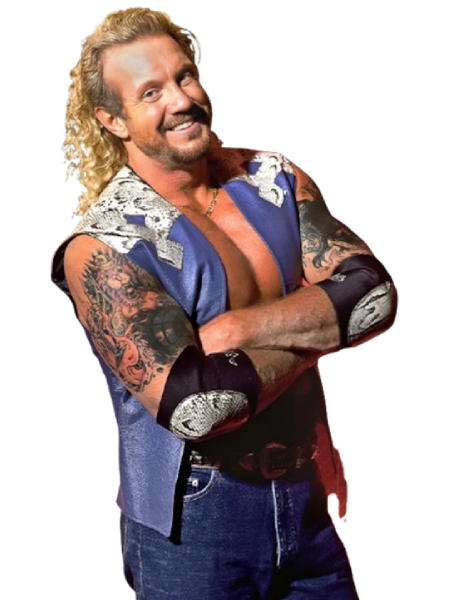 Diamond Dallas Page | 3 | 30 | 15 | 10 | 0.26% |
| 10 | 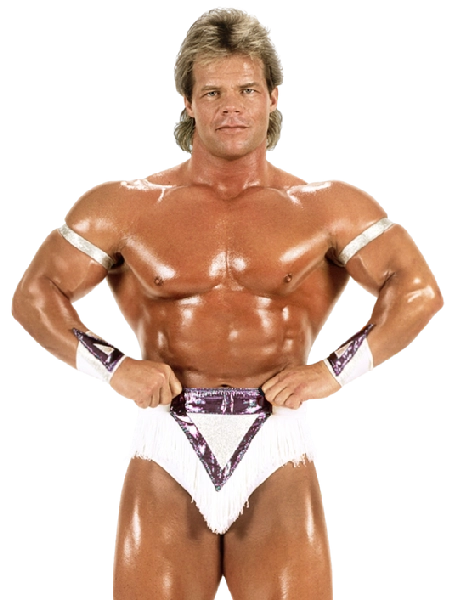 Lex Luger | 2 | 235 | 230 | 118 | 2.9% |
| 10 | 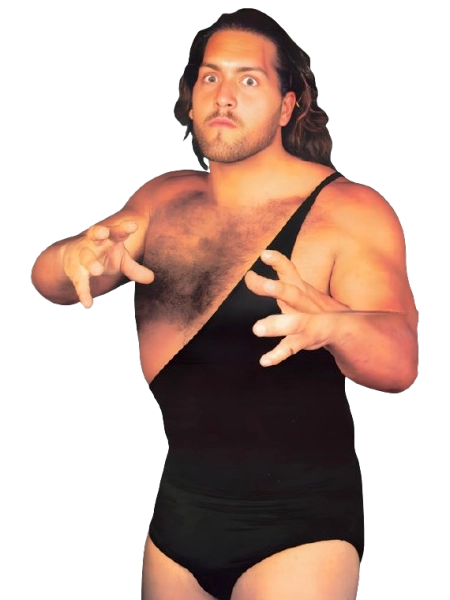 The Giant | 2 | 118 | 110 | 59 | 0.98% |
| 10 | 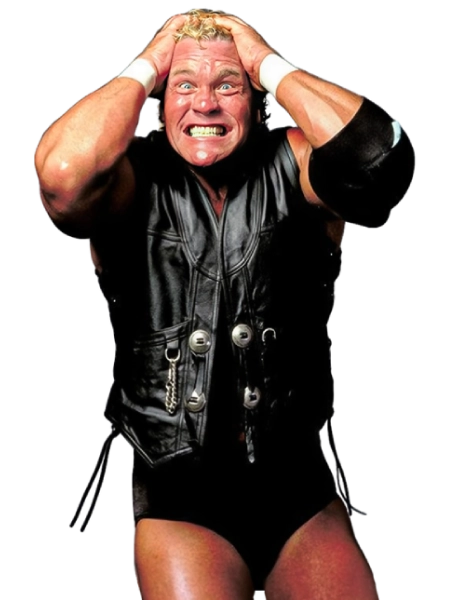 Sid Vicious | 2 | 77 | 75 | 39 | 0.68% |
| 10 | 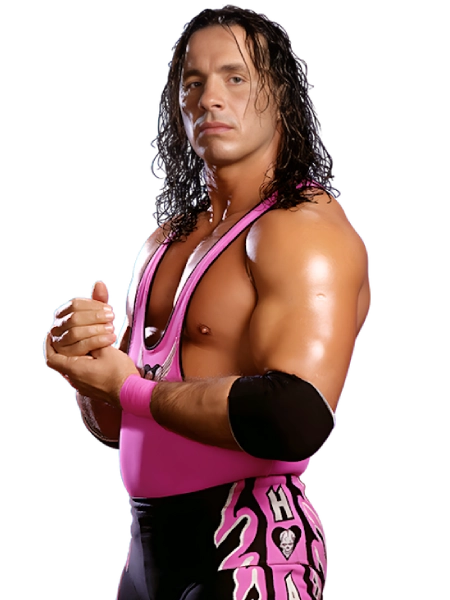 Bret Hart | 2 | 56 | 29 | 28 | 0.67% |
| 14 | 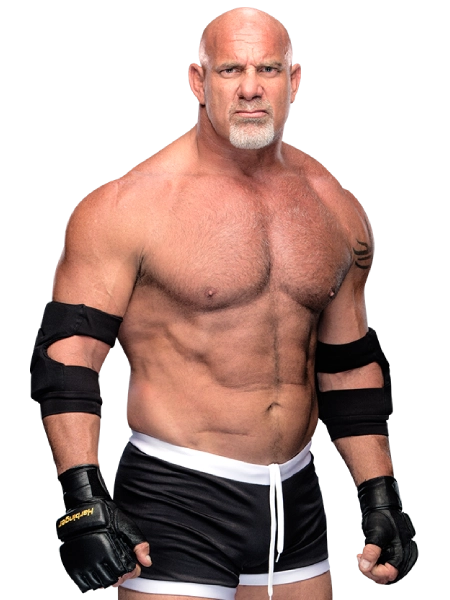 Goldberg | 1 | 174 | 174 | 174 | 1.6% |
| 14 | 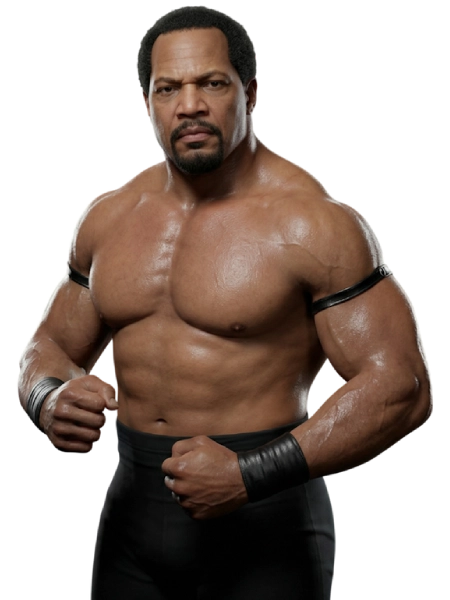 Ron Simmons | 1 | 150 | 150 | 150 | 1.6% |
| 14 | 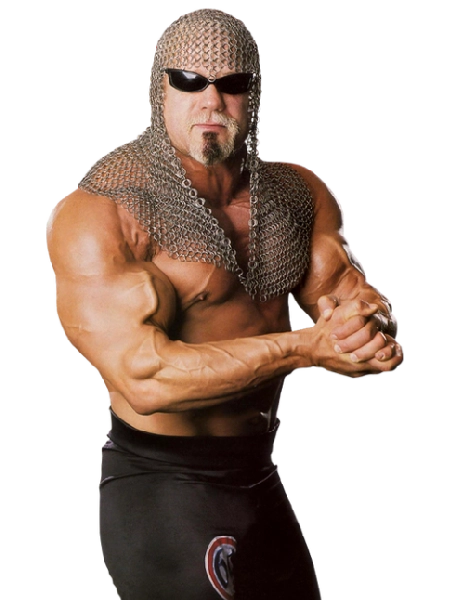 Scott Steiner | 1 | 120 | 120 | 120 | 0.89% |
| 14 | 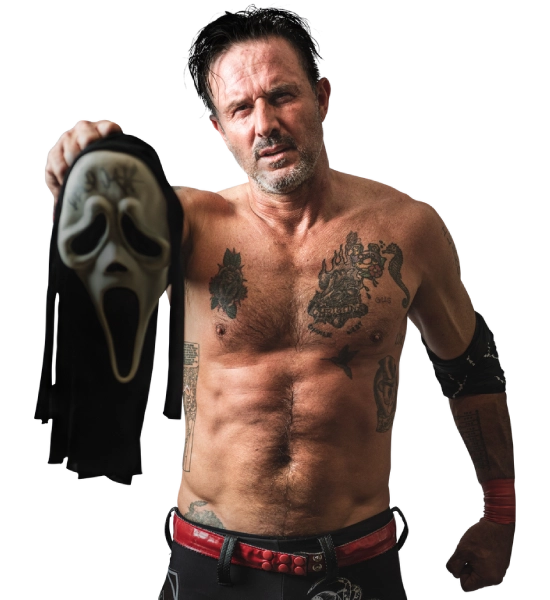 David Arquette | 1 | 11 | 11 | 11 | 0.14% |
| 14 | 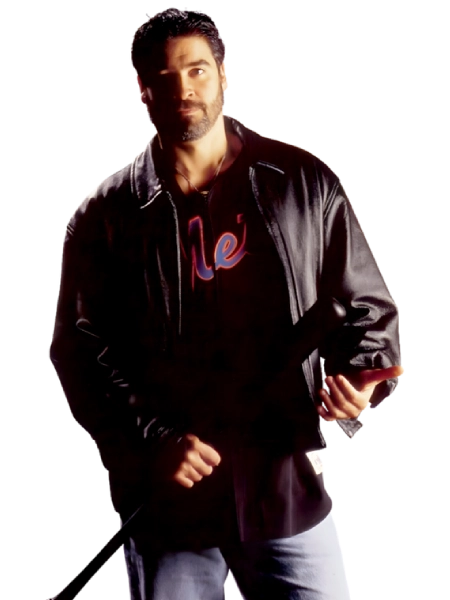 Vince Russo | 1 | 7 | 7 | 7 | 0.07% |
| 14 | 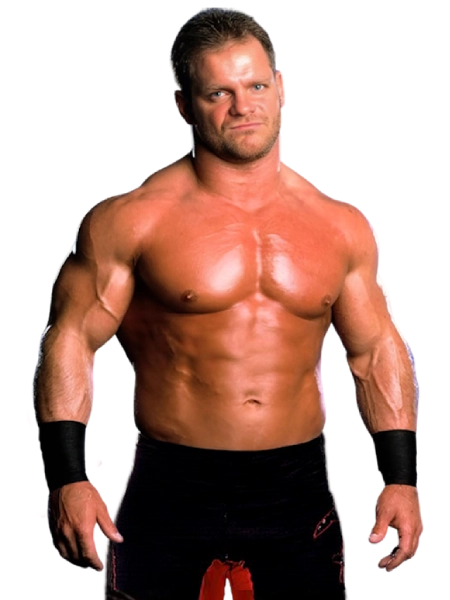 Chris Benoit | 1 | 1 | 1 | 1 | 0.01% |